Image

City of Clewiston Public Works: Stormwater Management
Protecting Our Waterways Together
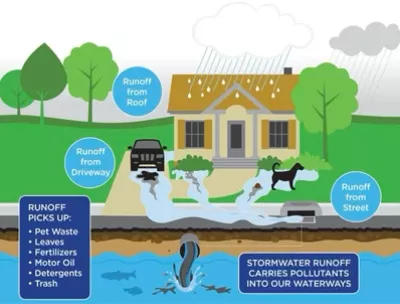
Stormwater is the water from rain that flows over the ground. As it travels over driveways, lawns, and sidewalks, it picks up debris, chemicals, dirt, and other pollutants.
Important Note: Unlike the water that goes down your sink or toilet, stormwater is not treated. It flows directly into our local streams, rivers, and lakes, including Lake Okeechobee.
Our Commitment: The MS4 Permit
The City of Clewiston operates under a Municipal Separate Storm Sewer System (MS4) permit. This is a federal requirement under the Clean Water Act designed to reduce the discharge of pollutants from our storm sewer system into local waters.
To meet these requirements, the City implements a Stormwater Management Program (SWMP) focused on six primary control measures:
Public Education: Teaching the community about stormwater impacts.
Public Participation: Involving residents in program development.
Illicit Discharge Detection: Finding and stopping illegal dumping into drains.
Construction Site Runoff Control: Ensuring developers manage dirt and debris.
Post-Construction Management: Ensuring permanent infrastructure works correctly.
Pollution Prevention: Keeping city operations (like fleet yards) clean.
How Residents Can Help
Small changes in your daily routine can have a massive impact on our water quality.
Scoop the Poop: Pet waste contains harmful bacteria and nutrients. Always pick up after your pet and dispose of waste in the trash.
Limit Fertilizer & Pesticides: Use chemicals sparingly and never apply them right before a heavy rainstorm.
Keep Drains Clear: Never sweep grass clippings or leaves into the street. They clog drains and cause localized flooding.
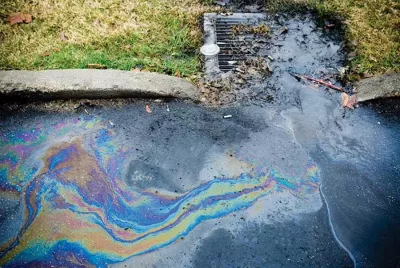
Fix Auto Leaks: A single drop of oil can contaminate thousands of gallons of water. Use kitty litter to soak up spills, and then sweep it into the trash.
Direct Downspouts: Point downspouts toward your lawn or a rain garden instead of your driveway.
How Businesses Can Help
Local businesses play a vital role in keeping our industrial and commercial areas clean.
|
Area of Concern |
Best Practice |
|
Dumpster Management |
Keep lids closed to prevent "dumpster juice" from leaking into the drain. |
|
Outdoor Storage |
Cover materials like gravel, mulch, or chemicals with tarps to prevent wash-off. |
|
Vehicle Washing |
Wash commercial vehicles in a designated wash bay that drains to the sanitary sewer. |
|
Spill Kits |
Maintain an easy-to-access spill kit and train employees on how to use it. |
See Something. Say Something.
Only rain should go down the drain. If you see someone dumping chemicals, paint, or waste into a storm drain, or if you notice unusual odors or colors in a local waterway or near the storm drains, please report it immediately.
Stormwater Hotline: 863-983-1471